You have a demanding job, a family, and a house with more space than you have time to use. Somewhere in that space is a bike or a treadmill that was going to change things. It has not been switched on in months. You are not short of discipline; you run plenty of things well. What you are short of is hours, and fitness coaching in Lexington MA that respects the ones you have.
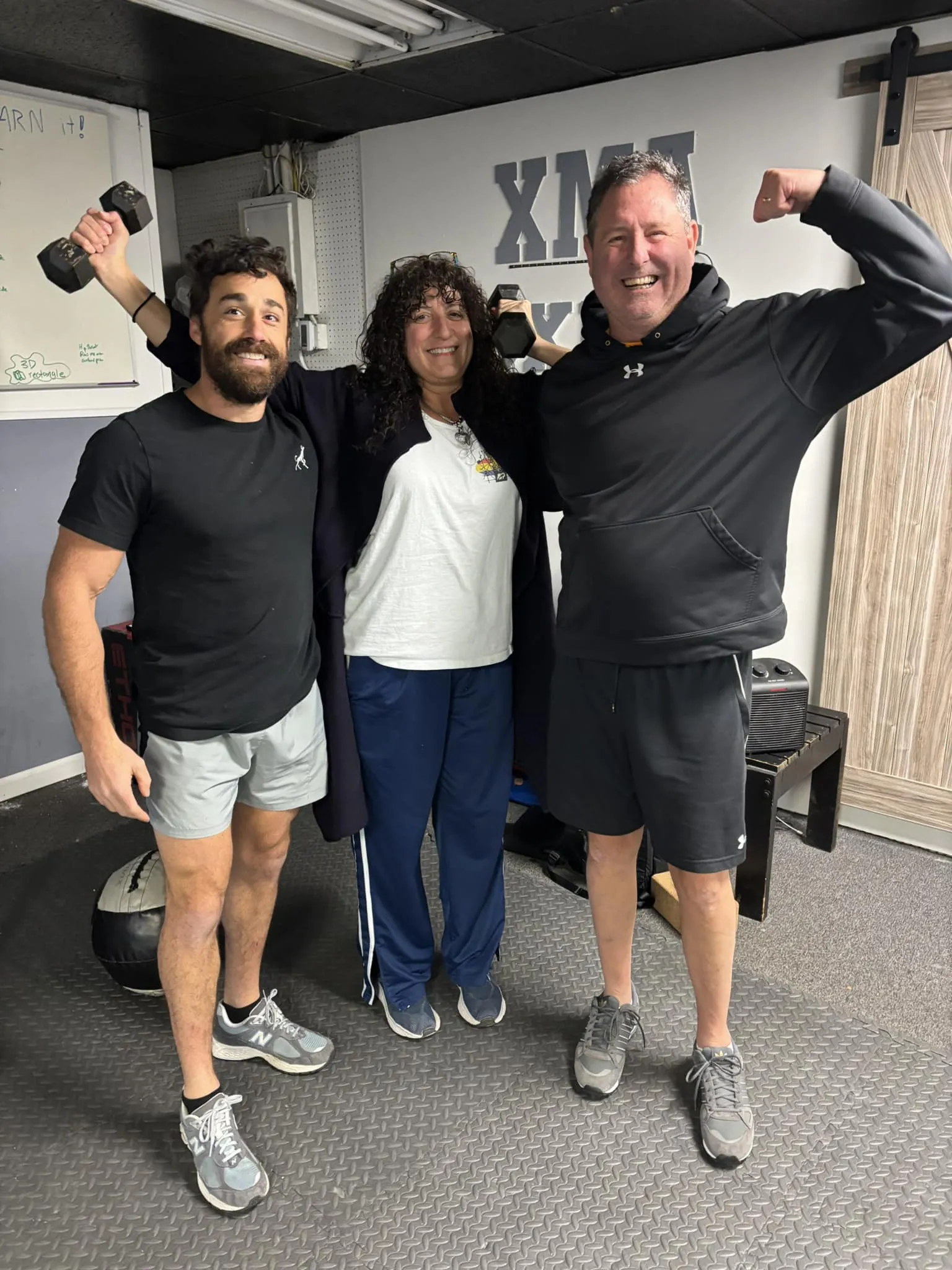
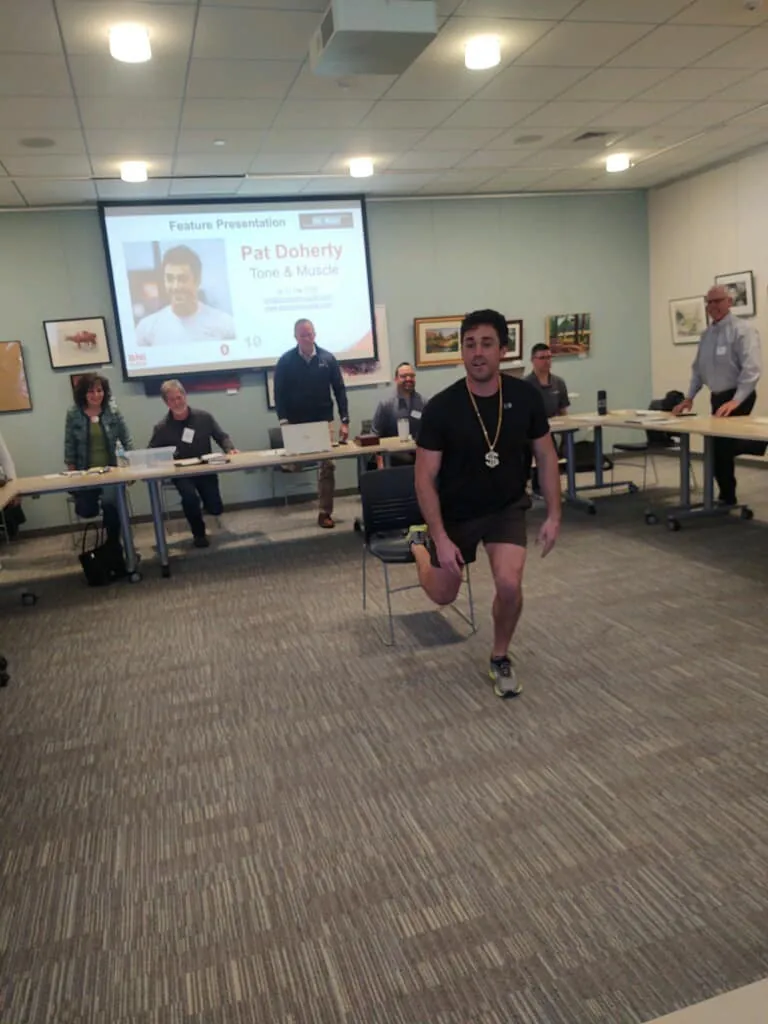
Patrick Doherty, CSCS, works with Lexington fathers and professionals on shedding fat and adding muscle and strength. He is based in Arlington, a short run down Mass Ave, and you can work with him in person there, fully online, or with a hybrid of the two.
Why clients in Lexington train with Pat
Lexington’s professional households are high-achieving, short on time and used to measuring things. If that describes you, you would rather see a number change than be told you are doing great. Pat’s coaching is built for that kind of reader: clear targets for each session, recorded progress, and a coach who adjusts the plan when the evidence says so.
That suits the way you already think. At work, nobody keeps a project alive on encouragement; you set a target, track the result and change course when the data turns. Training gets the same treatment here. You know what each session asks of you, you record what you did, and progress is reviewed and adjusted from that record. If the treadmill in the basement taught you anything, it is that good intentions without a structure fade within a few months. Structure is what Pat brings.
📈 A plan with numbers in it
Sets, reps, loads, bodyweight trends. Your progress is written down and reviewed, so you always know whether the work is paying off and what is changing next.
⏰ Built for very little free time
Your sessions are planned around the hours you actually have, between commutes, meetings and the kids’ commitments. A packed week gets rearranged, not abandoned.
🏠 Use the house you already have
Much of the training can happen at home, in the basement where the old equipment lives, or at any gym near home or work. Coached sessions in person take place in Arlington.
🤝 One coach, not a facility
There is no membership and no front desk, because Tone & Muscle is a private coaching practice. You deal with Pat directly, from the first conversation to every adjustment that follows.
What gets measured, and why
A man who measures things for a living deserves to know what is being tracked in his training and what it is for. The most important record is the training log itself: the exercises, the load on the bar, the number of reps and how hard the set felt. Read over a few weeks, that log tells you whether you are getting stronger, which is the clearest single signal that a program is working, whether the goal is fat loss or muscle.
Alongside it sit a few simple markers of body change, such as how your bodyweight trends over time and how your clothes fit around the waist. A single weigh-in tells you very little, because water and food swing it from day to day. A trend across weeks tells you a great deal. Pat reads those markers together, so a stall in one is interpreted in the light of the others rather than causing panic.
What you will not get is a set of numbers pulled from a chart and handed to you as a target. The point of measuring is to make decisions about your program, not to grade you. When the lifts climb and the trend moves the right way, the plan is left alone and built on. When they flatten, something is changed for a reason you can see, and the next stretch of data shows whether the change worked. It is the same feedback loop you would use on any serious project, applied to fitness coaching in Lexington MA: decide, measure, review, adjust, and repeat for as long as the numbers keep telling you something useful.
Every service in Lexington
Five ways to work with Pat, each with its own Lexington page explaining how he coaches it.
Personal Training for a full schedule
The complete package: technique taught properly, sessions planned around your calendar, and a coach checking the numbers and changing course when they flatten. The Lexington personal trainer page has the detail.
Weight Loss Coaching with a real setting
An eating approach flexible enough for client dinners, intake worked out for your size and training, and routines that keep going through a rough stretch. Details are on the Lexington weight loss coach page.
Muscle Building & Strength Training by the log
Programming aimed at growth, loads that rise by a clear rule, coached lifts and a weekly plan that bends around your job and your kids. The Lexington muscle building coach page explains it.
Nutrition Coaching tied to your training
The food side handled by the same coach who writes your program, read against your sessions, without a prescribed menu. Go to the Lexington nutrition coach page.
Pilates & Core Training for steadier lifts
Trunk control and breathing work that makes your heavier sets feel more solid, and needs little more than a clear patch of floor. Visit the Lexington Pilates and core page.
Why the treadmill went quiet
The machine in the basement was a reasonable purchase. It promised training on your own terms, without a drive and without a crowd. So why did it stop? Usually for three reasons, and none of them is a lack of willpower.
First, there was no plan. Each session meant deciding what to do, and after a long day the easiest decision was to skip it. Second, there was no progression. The same pace for the same time feels easier after a while, and the body stops having a reason to change. Third, nobody was watching the data. Missed sessions did not register anywhere, so a short break quietly became a permanent one.
There is also a mismatch of tools. Steady cardio on a treadmill or bike is good for the heart and the mood, and it can stay in your week. On its own, though, it does little to build muscle or change your shape. Strength training does both, by asking your muscles to handle progressively more load over time. A program that puts lifting at the centre and uses cardio as a supporting piece gets far more from the same hours. The treadmill does not need to be sold. It needs a job in a plan that makes sense.
How the services connect
The five services are best read as modules of one program rather than separate purchases. Personal training is the operating base: one-to-one coaching, a schedule-aware program and the main lifts taught to a high standard. Weight loss coaching and muscle building set the objective, and many men run both, with one leading at a time. Nutrition coaching aligns intake with the training, so the eating supports the plan instead of quietly undermining it. Pilates and core training improves trunk strength and control, which shows up as steadier squats, deadlifts and presses.
Running them through a single coach removes friction. There are no conflicting recommendations to reconcile and no duplicated effort. Adding nutrition does not mean extra appointments; it is reviewed alongside the training you are already doing. Core work sits inside your existing sessions. The plan becomes more complete without becoming longer.
It is worth being clear about fit. This is coaching for men, mostly dads and busy professionals, who want to lose fat and build muscle with a structured plan. It is not a drop-in gym, a group class or a quick fix before a holiday. If you want somewhere to wander in and train without direction, a private practice is the wrong tool. If you want a program written for your situation and a coach who keeps studying the results, it is the right one.
Choosing a starting point with clear criteria
You can make this decision the way you would make any other: by identifying the constraint that matters most right now.
- If body fat is the main constraint, lead with weight loss coaching and keep strength work running.
- If strength or size is the constraint, lead with muscle building and strength training.
- If technique is the constraint, because you are new to lifting or long out of practice, start with personal training.
- If the training is solid but the results are not, nutrition is often the missing variable.
Core training most often joins once a program is running, though it can lead for a man whose lifts feel unstable through the middle. If the constraint is unclear, the meet and greet is where Pat helps you identify it. He will ask questions first and recommend second.

Evidence over encouragement
Plenty of fitness coaching in Lexington and beyond runs on enthusiasm: a loud voice, a pat on the back, a promise that you are doing brilliantly. For a man who is used to being judged on outcomes, that tends to wear thin quickly. It also hides problems, because a coach who only encourages has no reason to notice when the numbers have stopped moving.
Pat’s approach is quieter and more useful. Each session has a clear purpose. The loads and reps are recorded. When progress is reviewed, the conversation is about what the record shows and what will change because of it. If a lift has stalled, the cause is looked for: recovery, technique, the eating side, or simply a program that has run its course. Then the plan is adjusted and the next block of data shows whether the adjustment worked.
That is not to say the relationship is cold. Training around a demanding job and a young family is hard, and a coach who understands that pressure matters. The difference is that support shows up as a better plan, not as cheerleading. For a professional who wants to know where he stands, that is usually the more motivating kind.
Large lots, long days
A Lexington home on a large lot usually brings one thing a busy man can use: room. A basement or a spare room can hold a decent amount of equipment, and that is a real advantage once there is a plan to use it. Pat writes programs around what you own, so the bike or treadmill gets a defined role and any weights you have become the core of home sessions. If something essential is missing, those lifts can be planned for in-person sessions in Arlington or a gym near the office.
The constraint is not space; it is time. Long working days, commutes along the main highways and children’s schedules leave thin margins. That is why the program is planned around your actual calendar. The most demanding sessions go on the days most likely to stay free, the busier days carry shorter sessions that still count, and a week that falls apart gets rearranged rather than written off. Training at home removes the drive entirely, which can make the difference between a session that happens and one that does not.
Fitness coaching in Lexington without the drive
Arlington is roughly fifteen minutes from Lexington along Mass Ave. You can make that trip every session for the coaching up close. If you cannot spare the time on most weeks, you can train at home or near the office instead. The coaching is designed so that either choice works.
In-person training in Arlington
Head down Mass Ave and train with Pat in Arlington. This is where technique is taught most closely and new lifts are introduced with a coach beside you.
Fully online from Lexington
Follow your program in your own basement or at any gym near home or work. Pat reviews what you did and sets the next steps from your numbers.
A hybrid that flexes
Mix the two as your calendar allows. In person during quieter weeks, online during busy ones, with one plan running through both.
Nothing about the coaching gets thinner when you are training remotely. The same person writes your program, reads your numbers and decides what changes.
Getting started
The first step in fitness coaching in Lexington is a meet and greet: a direct conversation about where you are, what you want and what has stood in the way. Treat it like any other evaluation. Come with your calendar in mind, an honest account of your training history and a list of what is in the basement. If you already keep any record of your training or bodyweight, bring it; it gives the first program a better starting point.
Ask hard questions too. What qualification sits behind the programming? Pat holds the CSCS. How will the plan be built around your schedule? What will be tracked, and how will it drive decisions? What happens when progress stalls? How do in-person, online and hybrid coaching differ in practice for someone in your position? A good coach answers each of those specifically.
Once you start, the early weeks establish the baseline. You learn the main lifts properly, find sensible starting loads and get the first entries into your log. From there, progress is reviewed and adjusted as you go, with every change tied to something you can see.
Questions Lexington clients ask
I want fat loss and more muscle. Do I have to pick one service?
No. The goals overlap, and Pat treats them as one plan: strength work, the eating side and core training where it helps. The five pages above explain each part, but you only ever follow a single program.
Will Pat train me at my house in Lexington?
No. In-person training happens in Arlington only. If staying home suits you better, the online option lets you run the same program in your basement, with Pat reviewing your progress remotely.
Can my unused treadmill or bike be part of the plan?
Possibly. Pat builds the program around the equipment you can reach, so if something in the basement is useful, it gets a role. The lifting and the eating, though, are what move the numbers most.
What exactly will I be tracking?
Mainly your training log: exercises, loads, reps and how hard each set felt. Alongside it, simple markers such as your bodyweight trend and how your waist is changing. Pat uses them together to decide what to keep and what to change.
Will you give me a calorie number to hit?
Not a number from a chart. The eating side is set to your body and your training and adjusted from what actually happens, rather than handed down as a fixed target from the start.
I have not trained properly since the kids arrived. Is that a problem?
Not at all. You begin with movements you can do well right now, and the loads build as your strength comes back.
How much time will the program take each week?
That depends on your calendar, and it is decided with you rather than imposed. The program is built around the hours you can reliably give, with the most important training placed where it is most likely to happen.
Do I need to be fit already to start?
No. The program starts from what you can do well today, whatever that is. The first weeks establish your baseline, and the loads rise from there as the record shows you are ready.
Is the drive to Arlington worth it?
It is roughly fifteen minutes down Mass Ave, and in-person sessions are where technique is taught most closely. If the drive does not fit most weeks, hybrid coaching lets you come in when you can.
I like to see the evidence before I commit. What can I expect?
A plain conversation at the meet and greet. You explain your week, your history and what you want to measure, and Pat tells you honestly whether his coaching suits you. If it does not, he will say so.
Apply to work with Pat
When you are ready for fitness coaching in Lexington built around your week, call Pat, or book a meet and greet with him.